For the past year, I’ve been writing poetry. This shouldn’t be an extraordinary or surprising thing because people think of me as a poet, but it is. It is surprising. It’s about time, you see. Time to be able to focus, to think. I wish I had the kind of temperament other writers have to be able to work 12 hours at their jobs then come home and write, but I don’t. I write best in the mornings and if I’m on a roll I might work through until four or five in the afternoon.
Throughout my life I’ve tried to have part-time jobs. This has been a conscious decision. Jobs that allow days when I could write, and not worry about rent or bills. I always worry about rent and bills. We probably all do. Four years ago, I took a job at four days a week working for a literary organisation. It was a good job, nice people and doing what I love to do: helping writers. But four days is too much.
Especially for a job you had to take work home for and often work at weekends. Eventually I managed to reduce the number of the days, but by that time I knew I needed to make a change. I’d written probably not more than 12 poems in four years. It’s not enough.
Writing poetry, for me at least, is a physical exchange – my body tells me when I need to write, when I need to think deeply about something, when I need to listen to the music of my blood and bones. It’s the kind of connection most animals have with their living worlds: when wolves in the wild call, other wolves respond; when trees are in danger they warn other trees in the forest. Poetry is that living world for me, and I am that animal. And because writing poetry is such a physical exchange, I seek out ways to physically interact with the real world. When I say poetry is the lived world for me, I’m not saying it’s other to the world in which I buy my teabags and cheddar cheese, they’re both the same thing. Sometimes I wish they weren’t, but that’s a conversation for another time. And because my body tells me when I need to write, if I don’t, to be honest, I just get ill. Out of balance. Headaches. Stomach aches. I left my job, became a mentor for fiction writers in London, and applied for Arts Council funding. I had a project I really needed to work on.
If I wasn’t successful in the funding, then I still earned just about enough to give myself some little time to write before I needed to get more paid work in, but not enough to re-build my education in poetry, my confidence. I needed to be a writer again, working among my peers, listening to their ideas, their voices, sharing my own. I needed courses, mentoring, to be out in the world living with my poetry.
I was lucky. I was awarded the funding. You’ll know from other blogs, it was a new programme, Developing Your Creative Practice, so I was one of the first to receive it. And out of 103 recipients only 20 of them were for literature. If I’m honest with you, I’m still amazed that I received it. I’m always amazed when people are interested in my work.
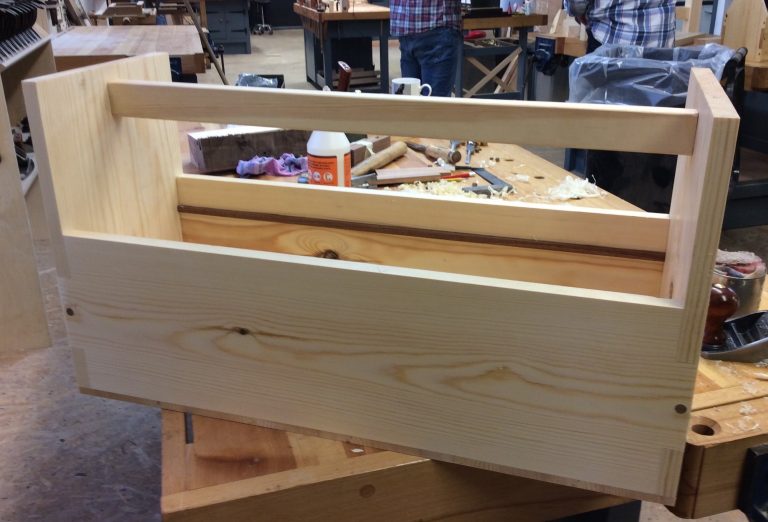
So for the past twelve months, I’ve been writing poetry again. I’ve written over 60 poems, about 48 of them are already out at magazines and competitions waiting for responses. Others I’m still working on. Their focus, as with most of my work, is environmental. I spent weeks in forests talking to foresters about species decline, infestations, forest fires and climate change. The focus is also craft. I developed a variation of the sonnet form using woodworking principles, and applied woodworking techniques to write other poems. The final focus, and in a way perhaps the main focus, is grief. Family grief. If the living world of poetry is the same as the real world lived, then bringing the threads of my life – woodworking, craft, the natural world, music, art, and death – makes sense to me.
Given the time and the space, the poems came. At first I felt like I knew nothing about poetry, that what I’d learned over the past 20 years through all my courses, workshops, degrees and whatnot had just dissipated into nothingness. Words were clumsy. Sententious. Overly-dramatic. How, when you got down to it, do line-breaks in your own poems actually work? But far from dissipating into nothingness, my knowledge of writing poetry had, I’m sure of it, sunk deep into the blood, the symbiotic relationship of poetry and body re-kindled. The first and early drafts were bad. Very bad. Here’s an example:
The Miracle of the Drinking Straws (draft #2)
Your soul was enraptured when you saw it.
The application of heat to damp to bruise –
a soldering iron, a cloth, a dent in wood –
and the dent re-enlivened, brought proud
of the plank’s horizon. You needed to know
how this resurrection happened and the answer
was simple: every fibre of wood is composed
like a drinking straw; every dent, bruise,
is a straw crushed; the heat, the damp,
on a good day, and with a fair wind,
refills each straw until the wood is whole
once more, bruises healed.
This is the first half of the poem. It goes on about souls and death and comparisons between brains and straws and general sadness.
Here’s the same poem nine months later. It’s the first part of a pair of poems. It still isn’t right, and its pairing poem’s not finished, but it’s leaning in the right direction.
The Miracle of the Drinking Straws (draft #8)
I’m sorry – it’s such a grand claim, this.
As if it could truly be miraculous
– the resurrection of timber dented
from a hammer’s slip – when what we
learn is that the nature of the tree
accommodates ways to be mended:
its fibres, running root to tip, are straws,
like the bundle we grab at the movies
late for the trailers and opening credits.
In the dark, it’s impossible to see
the damage we’ve done, the way each
straw has been crushed and bent
in our impatient fists. What does this
have to do with carpentry and miracles?
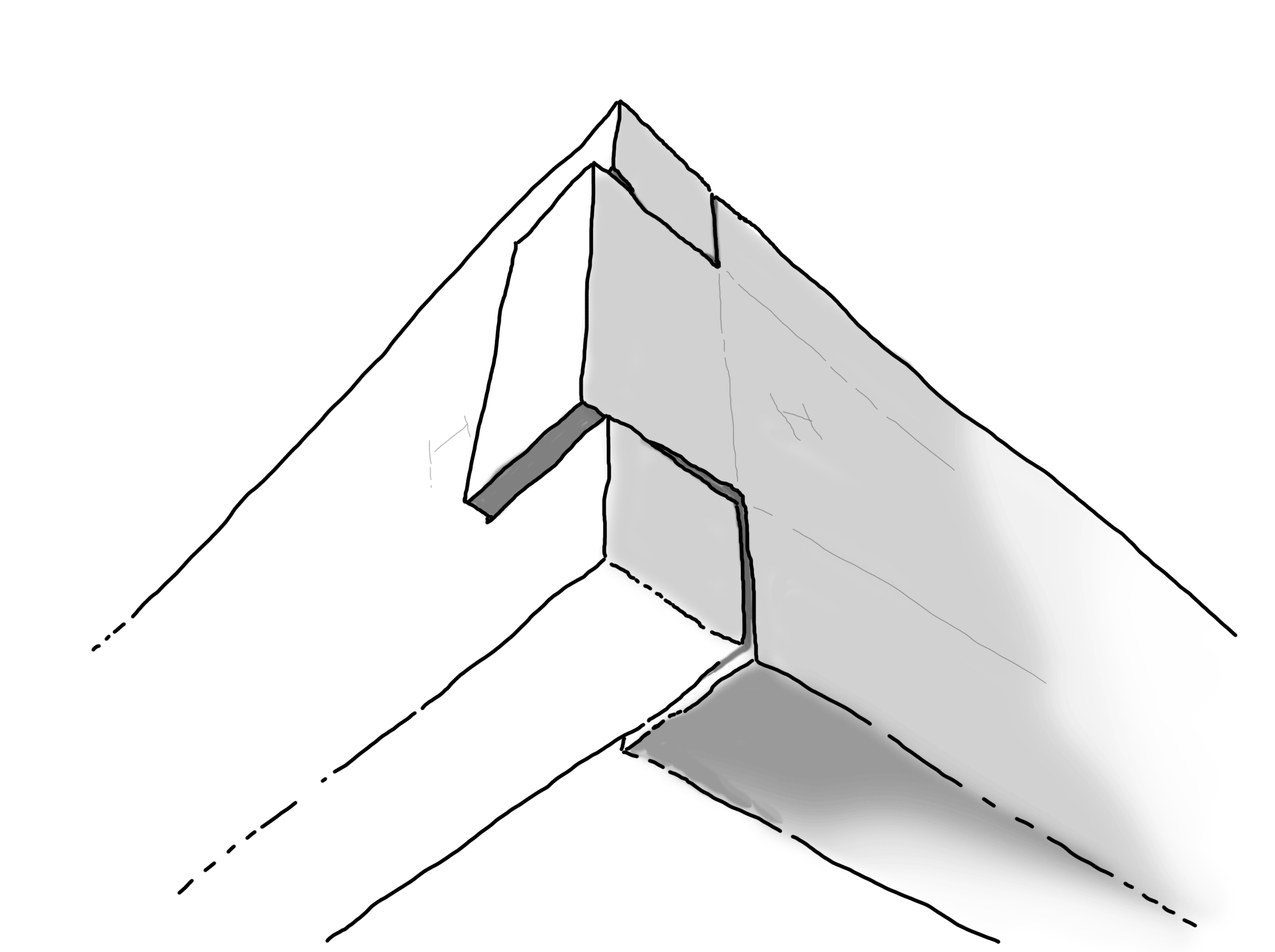
The form is a dovetail sonnet, the variation I’ve been working on. It uses couplets and quatrains to reflect a dovetail joint (its partner poem, if it has one, will mirror the rhymes and strengthen the poems as a whole). The couplets also break up the sestet; the octet is broken into quatrains. (I like that the ratio for marking out a dovetail in wood working is 1:8 for hardwood and 1:6 for softwood, as if it carries a sestet and octet in its DNA). The voltas come in the last quatrain and if it’s part of a pair at the very end, setting up the shift for the next poem. This poem, here, is a free verse dovetail sonnet, but there are others written in metre. The rhymes are half-rhymes in ‘Miracle…’, but I use full rhymes in others. It’s a form still evolving.
And the poems came. The first drafts got better. I wrote in free verse, collage, found poetry, I wrote triplets, quatrains, couplets, I wrote songs, lists, instructional poems. I wrote sonnets. I didn’t do any of this on my own. I attended courses with poets, sound-specialists and film-makers, with nature writers, woodworkers and scientists. I learned how to cut a dovetail joint in pine, how to make a stool from the trunks of ash and elm, to make flowers from hazel branches. I visited museums, galleries, spent days in forests in the middle of nowhere. And I had the best mentor in Mimi Khalvati. She took my lengthy, complicated treatise on the dovetail sonnet and stripped it down: make it simple, allow the language to be natural, don’t force a metre on it but let it come if it wants to, and don’t overthink things. Any strain in the thinking comes out in the writing. And write other poems. Explore other ways of writing poems, and trust that you know what you’re doing.
I parked the sonnets and wrote whatever came, in whatever form. Every so often I wrote a sonnet – Italian, English, dovetail sometimes – then other poems. More and more poems. I wrote, left, revisited. I lived with the poems, read intensely – poets new to me such as Linda Gregerson and Robert Michael Pyle, and old friends like Eliot and Heaney. I discovered Richard Sennett, Kathleen Dean Moore, Peter Wohlleben. I read endless magazines and online reports. I watched YouTube videos and listened to podcasts.
The poems I’m writing now, the ones busying me in my sleep, when I’m in the shower, when I’m planing a piece of timber, when I’m drinking tea, are all sonnets. After 40 or so various forms, the sonnets have found their way to me. And they might be okay or truly terrible, but I didn’t force them out like I did when I started this project. I waited, listened, learned and lived, gave them space, found them time. And they came.
This article was first published in Brittle Star, issue 44, July 2019.
Mimi Khalvati is a poet and Founder of The Poetry School. She has 8 collections published by Carcanet, her most recent is The Weather Wheel, a Poetry Book Society Recommendation. Visit www.mimikhalvati.co.uk to learn more about Mimi’s poetry.
Developing Your Creative Practice is an Arts Council England funding programme for writers and artists to help them take the next steps in their careers. Application windows open four times a year. Click on the link below for more details.
This is part of a mini-series of blogs for the Dovetail Sonnets project, looking at the writing process, woodworking, foresting in the UK & abroad, and climate change.
Dovetail sonnets: Time to Write was supported by Developing Your Creative Practice funding from Arts Council England.